No more hauling.
Reduced tank bottom solids and complete elimination of bottom-solids hauling — a $75,000 per month revenue increase for the customer, alongside more efficient and sustainable operations.
- Chemistry
- Iron-control chemistry program
- Application
- Saltwater disposal
- Location
- South Texas
- Headline result
- +$75K · customer monthly gain
- Problem
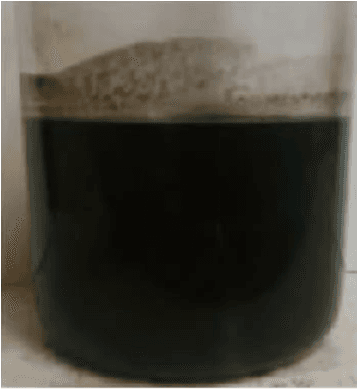
- Tank-bottom solids were accumulating at an SWD facility and had to be hauled away at recurring cost.
- Shale Chem approach
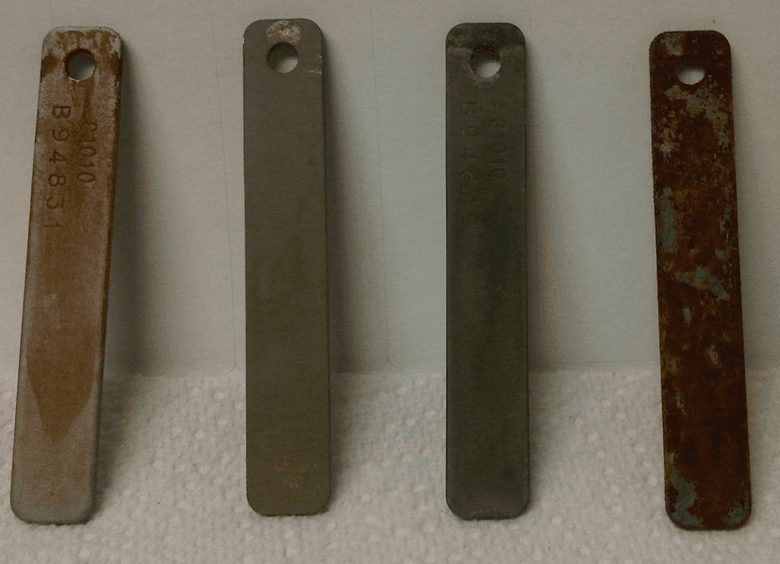
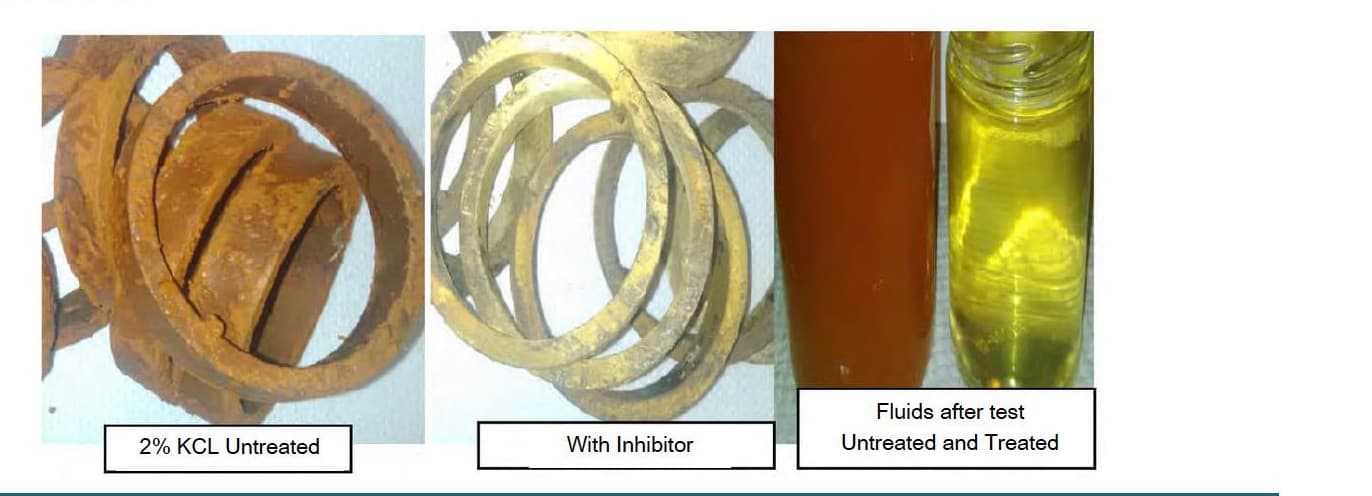
- Applied an iron-control chemistry program to reduce tank-bottom solids at the source.
- Result
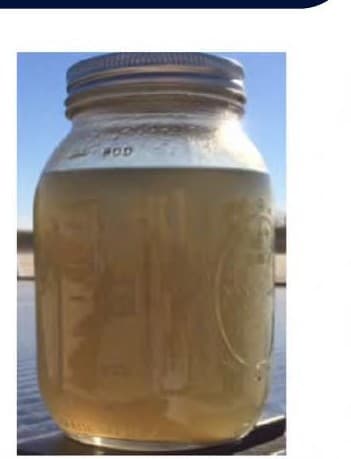
- Tank-bottom solids reduced and bottom-solids hauling eliminated entirely.
- Operational value
- A $75,000 per month revenue increase, with more streamlined, sustainable operations.
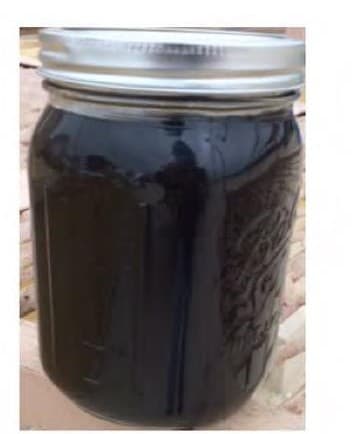
Testing demonstrated not only technical performance but also direct financial impact for the customer. By effectively reducing tank bottom solids and eliminating the need for costly hauling, operations became more efficient and sustainable.
This improvement resulted in a substantial revenue increase of $75,000 per month, underscoring the value of iron-control chemistry in delivering both operational reliability and measurable economic benefits.
Key benefits
- Reduction of tank bottom solids and complete elimination of the need to haul away bottom solids that used to accumulate
- Total revenue increase to customer of $75,000 per month
Minimized buildup at the bottom.
Eliminated costly waste removal.
Generated $75,000 extra monthly.
Streamlined operations and savings.
Frequently asked
- What benefits did the customer see from this treatment?
- The customer experienced a major reduction in tank bottom solids and completely eliminated the need to haul away accumulated waste.
- How did this impact operational costs?
- By removing the hauling requirement, the customer saved significantly on disposal and transportation expenses.
- What was the financial gain from these improvements?
- The customer realized a revenue increase of approximately $75,000 per month.
- Did the improvements affect efficiency?
- Yes. Operations became more streamlined and sustainable, with reduced downtime and maintenance needs.
- Why is this case important?
- It highlights how testing doesn't just validate chemical performance but also delivers measurable economic value for customers.